
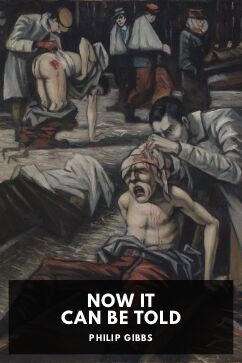
Now It Can Be Told - Philip Gibbs
Philip Gibbs wasn't just any reporter during the Great War. He was the reporter, granted unparalleled access to the front lines by the British government. His dispatches, read by millions, painted a picture of brave Tommies and necessary sacrifice. But that was the public story.
The Story
'Now It Can Be Told' is the private story, published in 1920 when the guns were silent and the need for propaganda had passed. Gibbs walks us through the war not as a series of dates and maneuvers, but as a visceral, sensory experience. He describes the mud that swallowed men whole, the absurdity of life in the trenches, and the sheer, grinding waste of it all. The book follows his journey from a patriotic journalist toeing the line to a haunted observer burdened by the secrets he was forced to keep. The central narrative is his own moral and emotional unraveling as the gap between what he saw and what he wrote grew into a chasm.
Why You Should Read It
This book hit me hard because it's so deeply personal. It's not a dry analysis; it's a gut punch of guilt and revelation. Gibbs doesn't let himself off the hook. He's furious at the generals and the system, but he's also brutally honest about his own complicity. Reading it, you feel the weight of every cheerful headline he filed knowing the truth was much darker. The power isn't in grand judgments, but in small, devastating details—the look in a soldier's eyes, a conversation in a dugout, the quiet moments of despair. It makes the war feel immediate and human in a way statistics never can.
Final Verdict
Perfect for anyone who thinks history is about more than kings and treaties. If you loved the personal perspective of books like 'All Quiet on the Western Front' or 'Goodbye to All That,' this is essential reading from the other side of the notebook. It's for readers who want to understand the psychological toll of war, not just the physical one, and for anyone who's ever questioned the official story. Be warned: it's not a cheerful read, but it's an honest one, and that honesty is what makes it so unforgettable.
This digital edition is based on a public domain text. You can copy, modify, and distribute it freely.
Karen Harris
1 year agoThe clarity of the concluding remarks is very professional.
Mason Anderson
1 year agoCitation worthy content.
Barbara Walker
1 year agoFrom the very first page, the depth of research presented here is truly commendable. Definitely a 5-star read.

Susan Wilson
5 months agoThe peer-reviewed feel of this content gives me great confidence.