
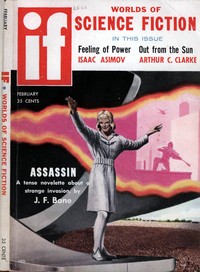
The Standardized Man by Stephen Bartholomew
So, I picked up Stephen Bartholomew's The Standardized Man thinking it was going to be another ‘big brother is watching’ kinda story. Boy, was I wrong—in the best way. Let me break it down.
The Story
In this future, society is sorted by a massive computer system called The Architect. It runs constant brain scans on every citizen—measuring intelligence, emotions, even your sense of loyalty. Then it assigns you a completely prepackaged life: your home, your spouse, your daily routine, your exact number of “approved” happy moments. Naturally, everyone loves the system because it eliminates all worry. But then our hero, Ed, gets flagged as special. The Architect names him the Perfect Standardized Man, meaning he’s supposed to be the happiest and most productive person alive. Except, at exactly 8:00 PM each day, Ed gets this crushing, beautiful, terrible feeling… sorrow for things he’s never even seen. His perfect wife Martha is a stranger. New colors flash across screens that nobody else notices. The plot twists as Ed, fighting a very quiet rebellion, starts wondering if the system isn’t building a perfect world—it’s deleting everything that makes us human.
Why You Should Read It
You, my friend, will see yourself a little in Ed. I loved that Barttholomew doesn’t throw action you can popcorn watch—instead, you feel Ed’s confusion building chapter by chapter like a headache that won't quit. The world feels squeezed right between being totally plausible and creepy. Plus, I’m a sucker for books that ask, “What does freedom actually mean, anyway?” There’s a section where Ed remembers a story his mom once told him, before the system came, and I swear my eyes got wet. Those little human moments smash into the cold metal of the setting. It’s not dystopian for shock value; it’s subtle and makes you angry at your own phone for about a week.
Final Verdict
Who is this for? If you spent late nights watching the first season of Humans or loved the book The Circle but wanted more heart, you’re in the right place. But honestly, even if you just like sharp, questioning sci-fi that hits you right where you live (at your fragile human sense of self), yes: add this one to the reading list right now.
You are viewing a work that belongs to the global public domain. You do not need permission to reproduce this work.
Charles Lee
1 year agoI found the author's tone to be very professional yet accessible, the critical analysis of current industry standards is very timely. If you want to master this topic, start right here.







Emily Rodriguez
2 years agoI appreciate the objective tone and the evidence-based approach.